
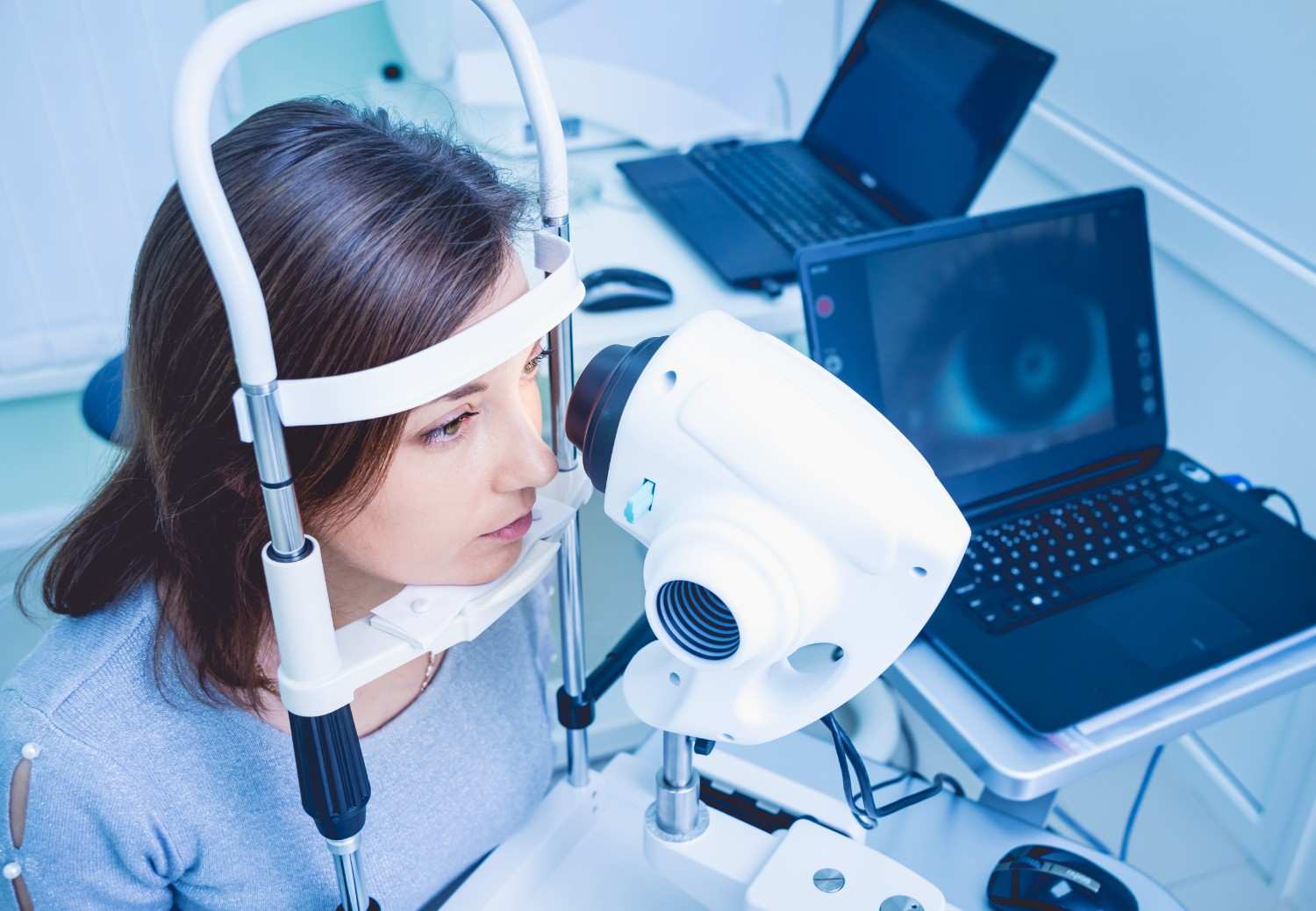
Diabetic Retinopathy is a complication of diabetes that impacts the eyes. It occurs when the fragile blood vessels in the light-sensitive tissue at the back of the eye, called the retina, become damaged. Over time, high glucose levels weaken these vessels, leading to leakage, swelling, and the growth of abnormal new vessels. Patients often don’t notice changes until their central vision is in serious danger since damage usually starts in the periphery.
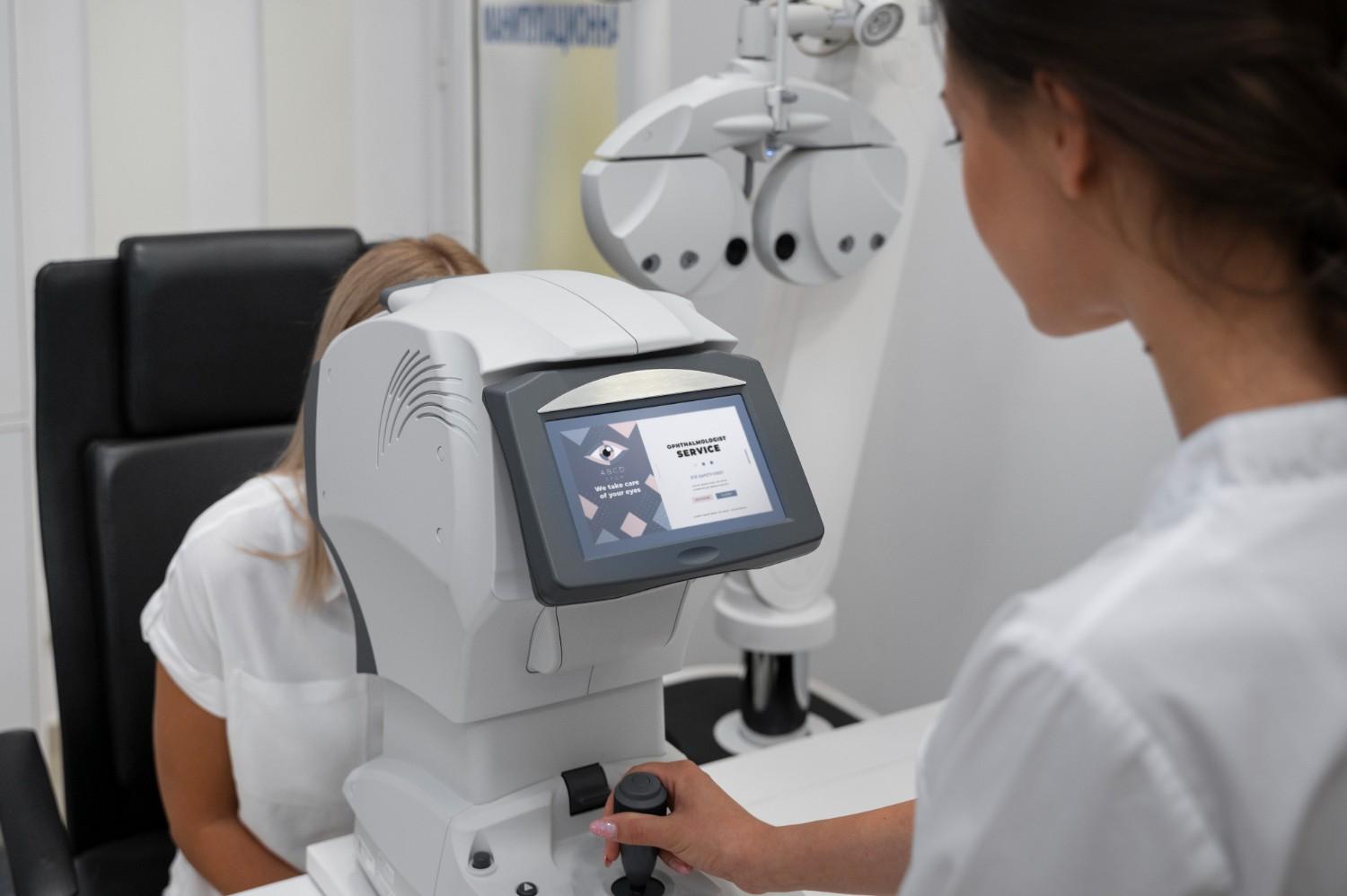
We use 3D spectral-domain OCT to create detailed maps of your retina. This helps our specialists identify "Macular Edema" (swelling) at its earliest stages, often before you notice any blurriness.
This important diagnostic test involves injecting a special dye into the bloodstream to highlight retinal circulation. As the dye moves through the eye, high-speed digital cameras capture images showing leaking vessels, areas lacking oxygen, and the early growth of harmful new blood vessels.
Regular cameras capture only a small part of the retina. Our advanced widefield imaging can capture up to 200 degrees of the retinal surface in a single shot. This is vital for diabetic patients, as early signs of retinopathy often appear in the far periphery, which can be missed during a standard eye exam.
When advanced diabetic bleeding (vitreous hemorrhage) clouds the eye, our surgeons use high-frequency ultrasound to "see" through the blood. This helps us assess whether the retina is still attached or if there is underlying traction, which is crucial for planning emergency surgeries.
We offer a wide range of NABH-compliant treatments tailored to the stage and severity of your retinopathy:
Intravitreal Anti-VEGF Injections: Using innovative medications like Lucentis, Accentrix, or Eylea to reduce abnormal vessels and swelling of the retina.
Retinal Laser Photocoagulation: Precise laser therapy that seals leaking vessels or treats large areas of the retina to stop the growth of new vessels.
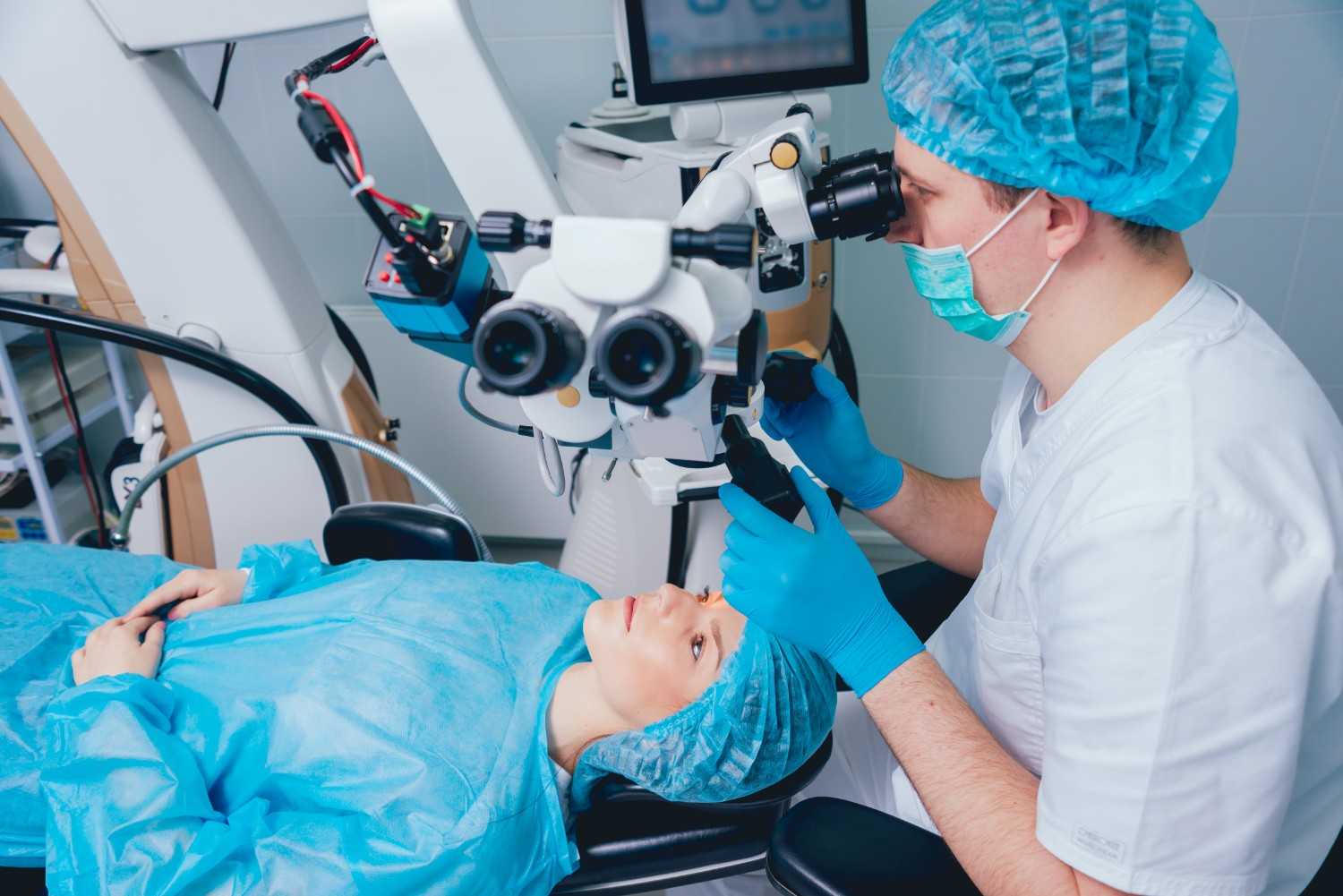
Micro-Incision Vitrectomy Surgery (MIVS): Advanced “stitchless” microsurgery for complex cases with ongoing bleeding or retinal pulling.
Intravitreal Steroid Implants: Long-lasting implants used for persistent macular swelling that may not respond to standard treatments.
In the early stages, DR typically shows no symptoms. As it progresses, watch for these warning signs:
– Blurred, hazy, or fluctuating vision that changes with your blood sugar levels.
– Dark strings, cobwebs, or spots (floaters) in your field of vision.
– Colors appearing faded, washed out, or less vibrant than usual.
– “Holes,” dark spots, or blank patches in your central vision.
Yes. While good control lowers the risk, how long you have diabetes is a significant factor. Even well-controlled patients can experience mild changes over many years, which is why annual screenings are necessary.
No. We use special numbing drops and very thin needles. Most patients describe the sensation as slight pressure or a "pinch," and the procedure only takes a few seconds.
Laser treatment mainly aims to "stabilize" the eye and prevent further vision loss. However, when combined with Anti-VEGF injections, many patients see a significant improvement in their visual clarity.
If you have active swelling (macular edema), a scan every 4 to 6 weeks helps monitor your treatment response. For stable patients, a scan every 6 to 12 months is generally enough.
DR cannot be "cured" in the traditional sense, but it can be effectively managed. With modern treatments, we can prevent severe vision loss in over 90% of diabetic patients, provided they are diagnosed early.
Speak with our ranade care team today. We’re here to protect your vision with expert.
From pioneering pediatric squint corrections to life-changing LASIK procedures, hear from some of the 400,000+ patients who trust Ranade Eye Centre.

Civil Engineer
The VTS 4 therapy for my son’s lazy eye was remarkable. Dr. Ranade's team provided a level of pediatric care we couldn't find anywhere else in Maharashtra.

Software Professional
I had my LASIK surgery here using Wavefront Technology. The precision was incredible, and I was back to work with clear vision in no time.

Retired Principal
My cataract surgery was seamless. The MICS procedure with Multifocal IOLs restored my sight perfectly. A truly world-class NABH accredited facility.

Business Owner
They handled my complex eye trauma with great skill. Their 24/7 responsiveness and surgical expertise truly saved my vision.