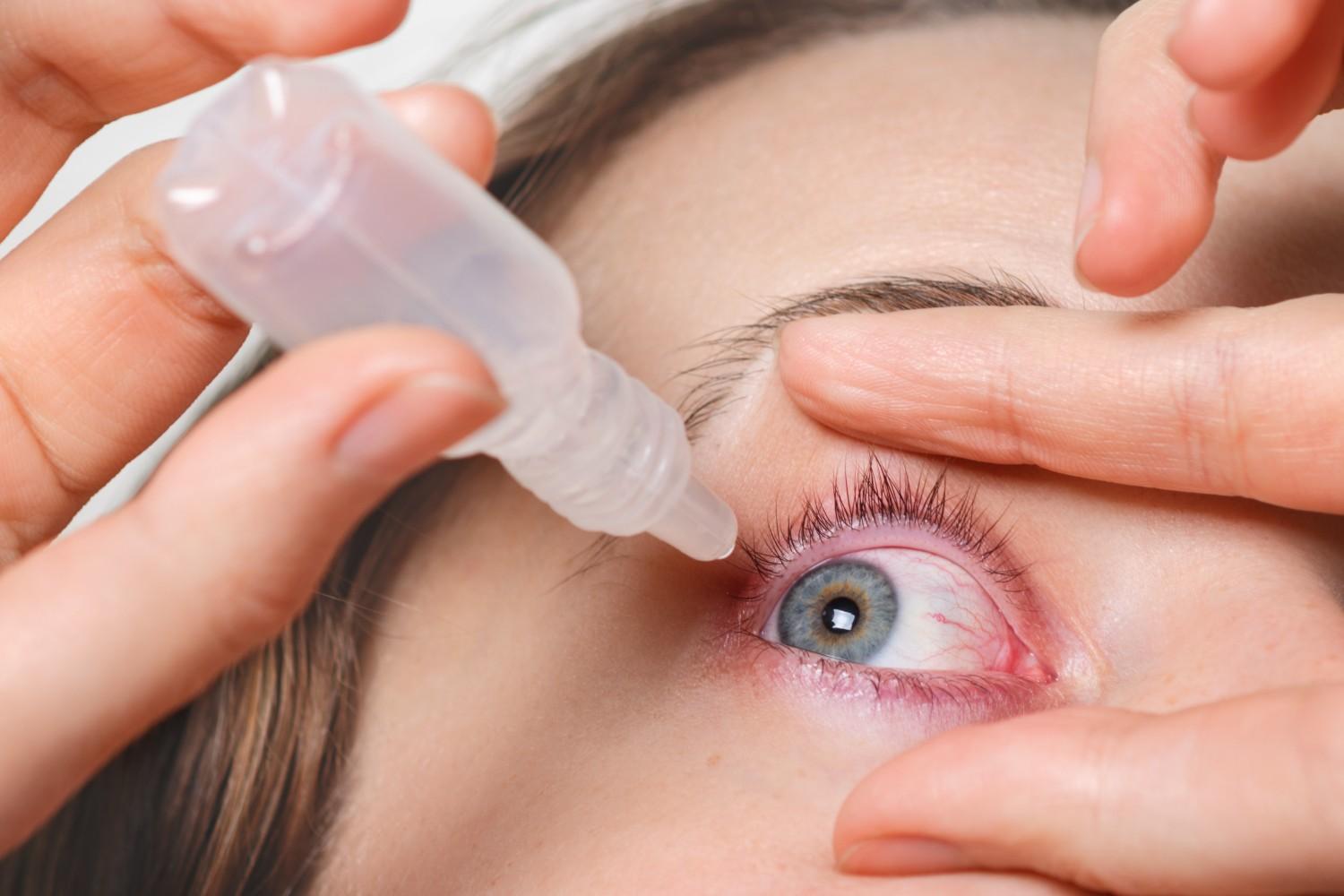
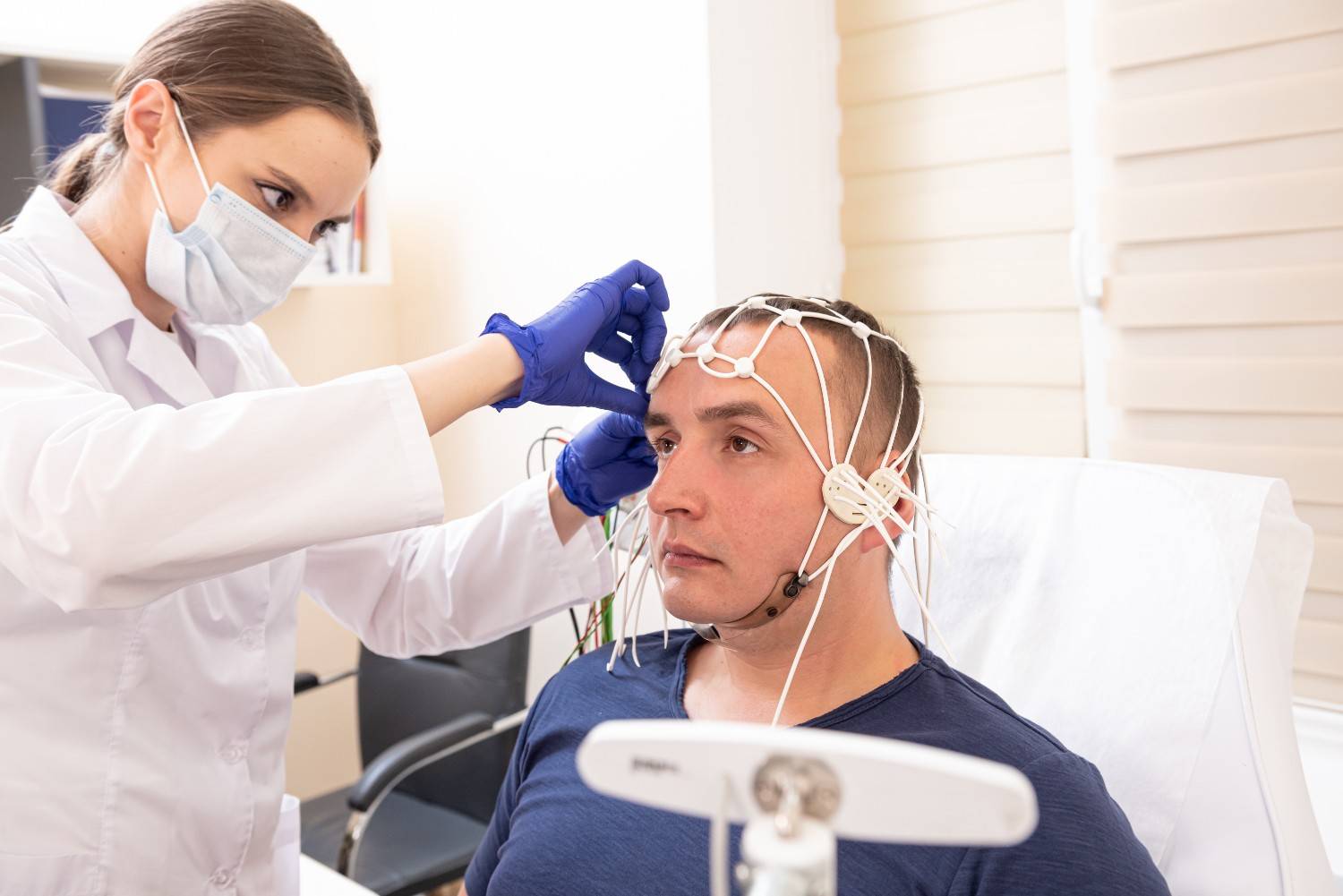
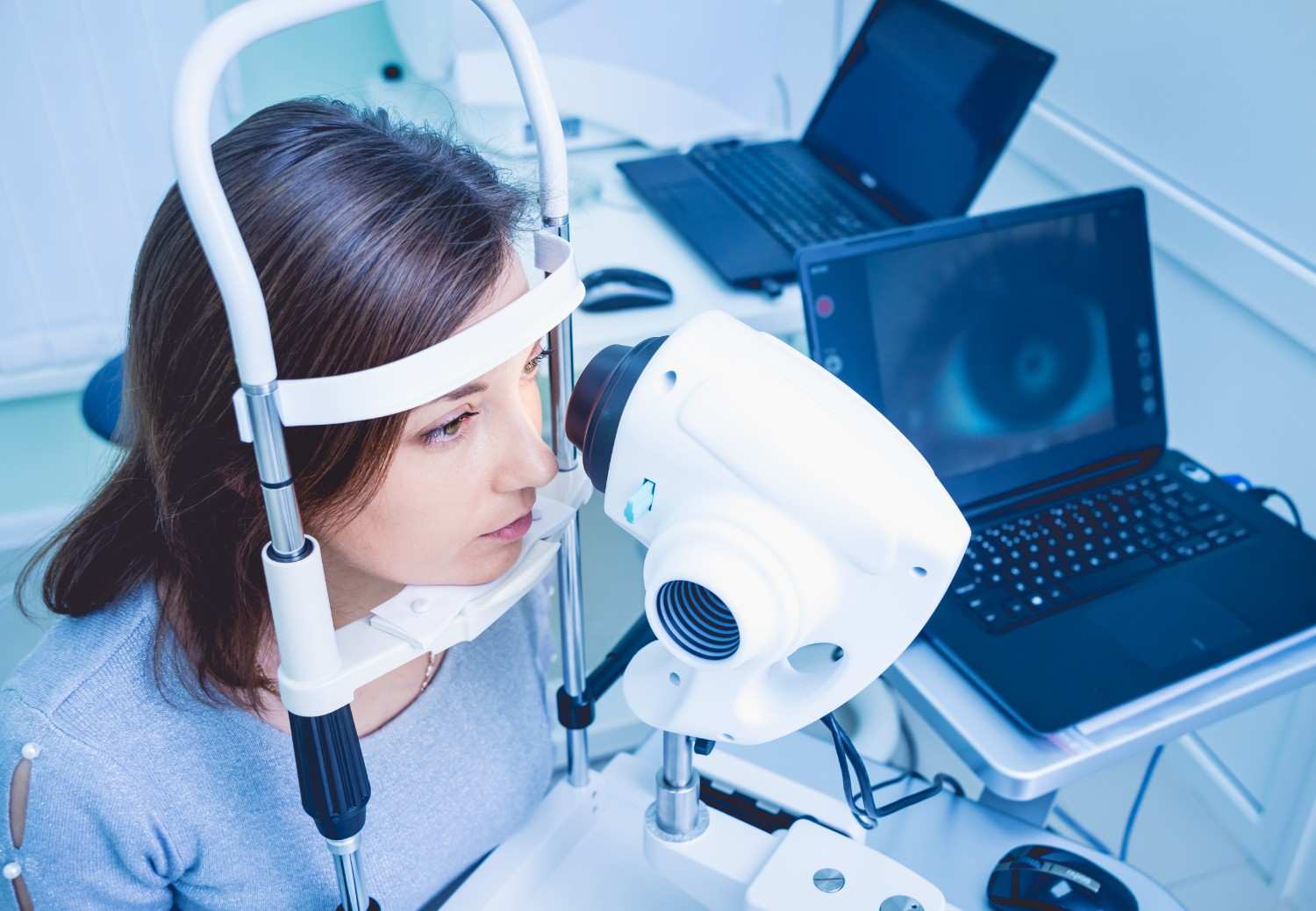
A cataract is the clouding of the eye’s natural lens, which is located behind the iris and pupil. This clouding keeps light from focusing well on the retina, resulting in blurred, dim, or “muddy” vision. While cataracts are often related to aging, they can also be congenital or caused by trauma.
This is a specialized "partial-thickness" transplant procedure that replaces only the innermost layer of the cornea (the endothelium).
We use this advanced technique for patients with diseases affecting the front and middle layers of the cornea, such as Keratoconus or scarring.
For cases where all layers of the cornea are severely damaged or scarred, we perform traditional full-thickness corneal transplantation.
We offer a specialized "no-stitch" surgical approach for removing pterygium (a non-cancerous growth on the cornea).
Phase 1: Precision Planning
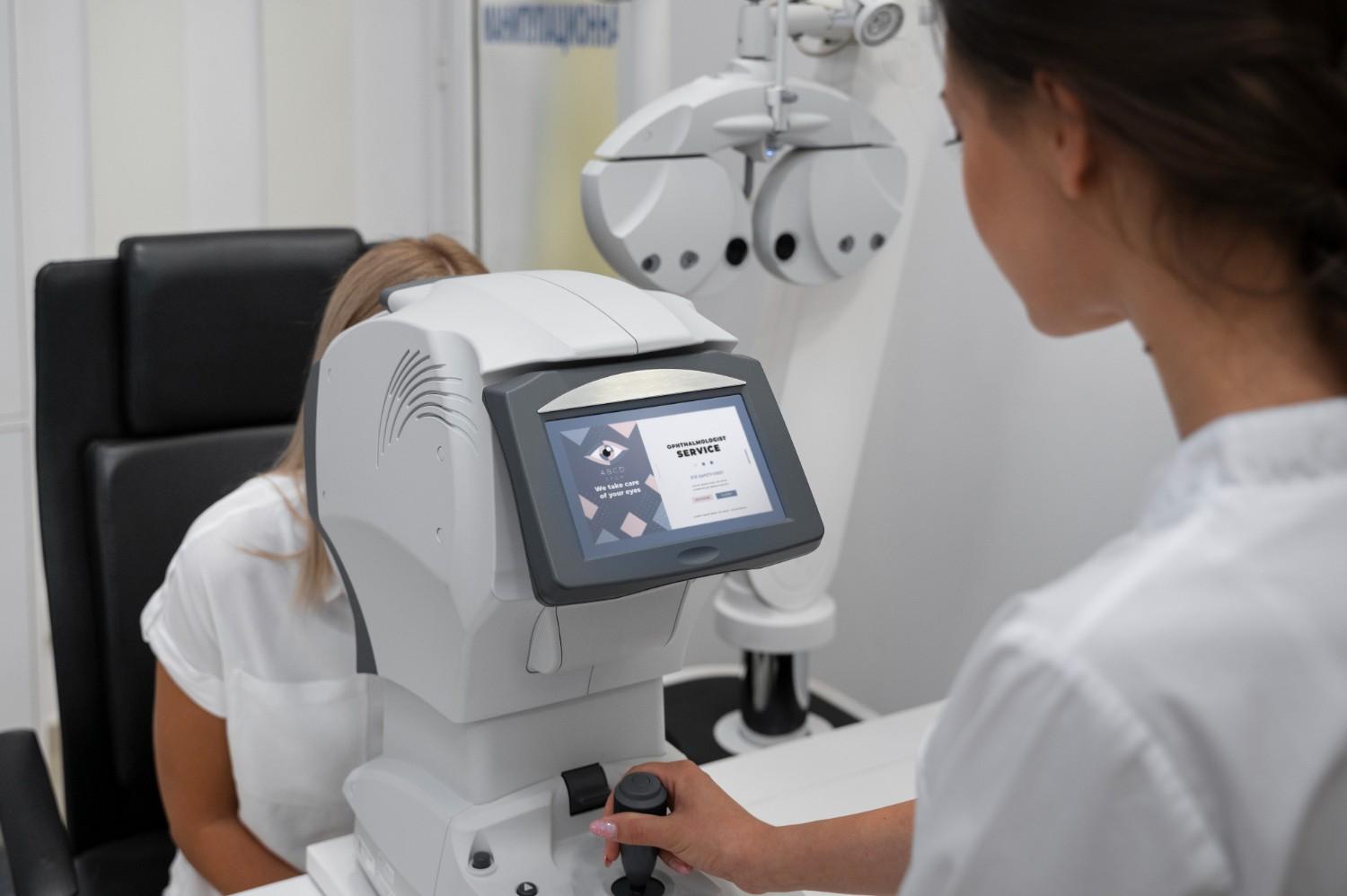
Your journey starts with a thorough evaluation. We use Optical Biometry to measure your eye’s dimensions very precisely. This helps us choose the right Intraocular Lens (IOL) that suits your lifestyle.
Phase 2: The Procedure
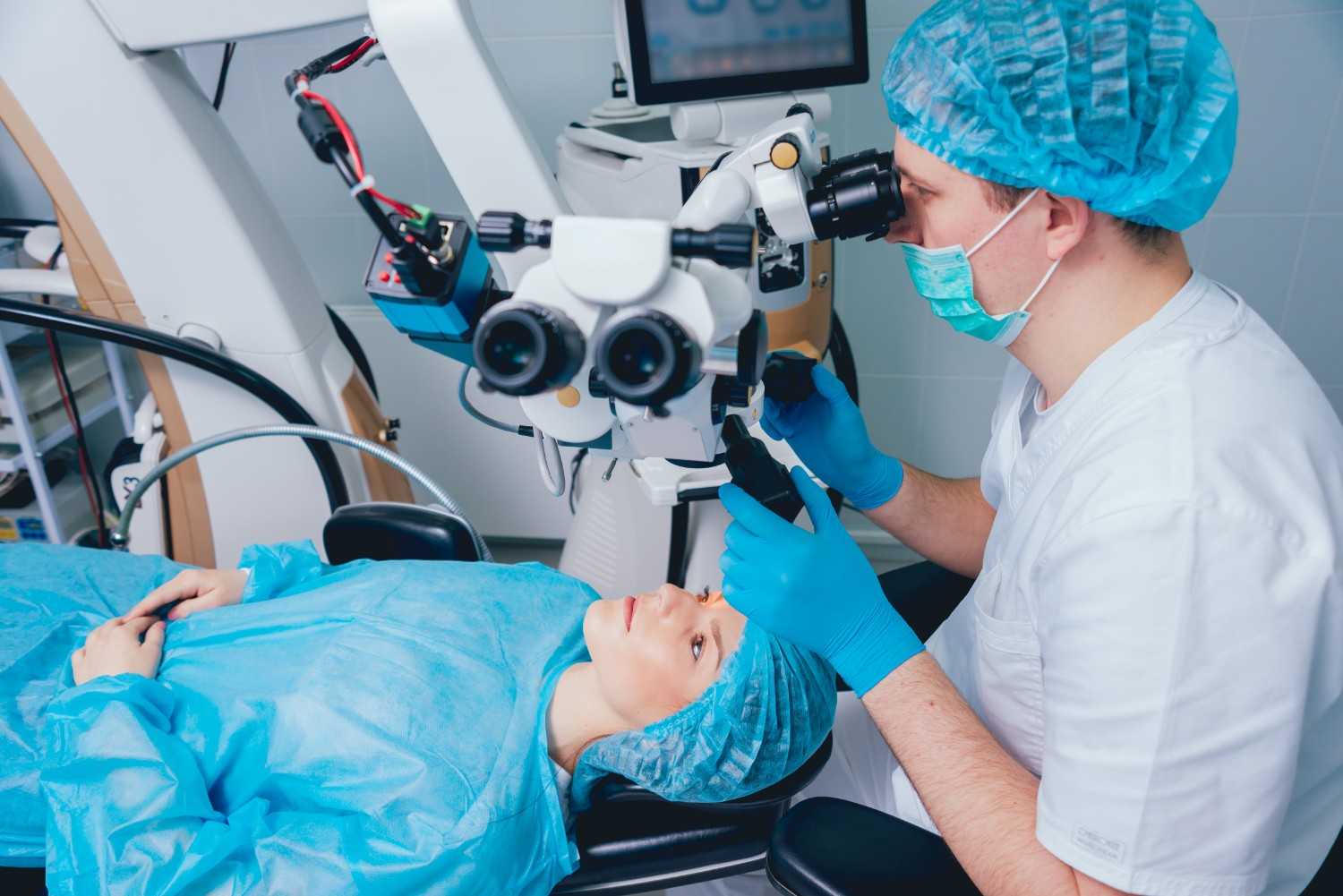
On the day of surgery, you will spend about 10 to 15 minutes in our NABH-certified operating room. We perform the procedure using topical anesthesia (numbing drops), so there are no needles or pain.
Phase 3: Immediate Results
With our MICS (Micro-Incision) technique, the wound heals by itself without stitches. Most patients see a noticeable improvement in brightness and clarity within 24 to 48 hours
– Blurred, cloudy, or misty vision.
– Difficulty seeing in low light or at night.
– Glare from lights, such as halos around streetlights or headlights.
– Colors looking faded or yellowed.
– Frequent changes in your glasses prescription.
Cornea transplants are among the most successful of all tissue transplants. Success rates are particularly high (over 90%) for conditions like Keratoconus. Our use of lamellar techniques (DSEK/DALK) further improves these odds by reducing rejection risks.
Recovery depends on the type of surgery. DSEK patients often see improvement within a few weeks, while full-thickness (PK) transplants may take several months to a year for vision to stabilize completely.
Yes, as with any transplant, there is a risk of rejection. However, the cornea has no blood vessels, which makes rejection less likely than with other organs. We use specialized drops to prevent this and monitor you closely for early signs.
Most patients will still need glasses or specialized contact lenses to achieve their best vision after the cornea has healed, as the new cornea may have some minor natural irregularities.
Donor corneas are obtained through authorized eye banks. We follow strict ethical and clinical guidelines to ensure that all donor tissue is thoroughly screened for safety and clarity before use.
Speak with our ranade care team today. We’re here to protect your vision with expert.
From pioneering pediatric squint corrections to life-changing LASIK procedures, hear from some of the 400,000+ patients who trust Ranade Eye Centre.

Civil Engineer
The VTS 4 therapy for my son’s lazy eye was remarkable. Dr. Ranade's team provided a level of pediatric care we couldn't find anywhere else in Maharashtra.

Software Professional
I had my LASIK surgery here using Wavefront Technology. The precision was incredible, and I was back to work with clear vision in no time.

Retired Principal
My cataract surgery was seamless. The MICS procedure with Multifocal IOLs restored my sight perfectly. A truly world-class NABH accredited facility.

Business Owner
They handled my complex eye trauma with great skill. Their 24/7 responsiveness and surgical expertise truly saved my vision.